The Invisible Threat to Your Mind and Body: What Science Reveals About Ergot Poisoning
2025/05/19
目次
1. What Is Ergot Fungus? The Shocking Truth Behind Mold and Toxins
1.1. What Exactly Is Ergot Fungus and How Does It Grow?
1.2. Ergot Poisoning Through History: From Medieval Madness to Modern Awareness
✅Chapter 1: What Is Ergot Fungus? The Shocking Truth Behind Mold and Toxins
1.1. What Exactly Is Ergot Fungus and How Does It Grow?
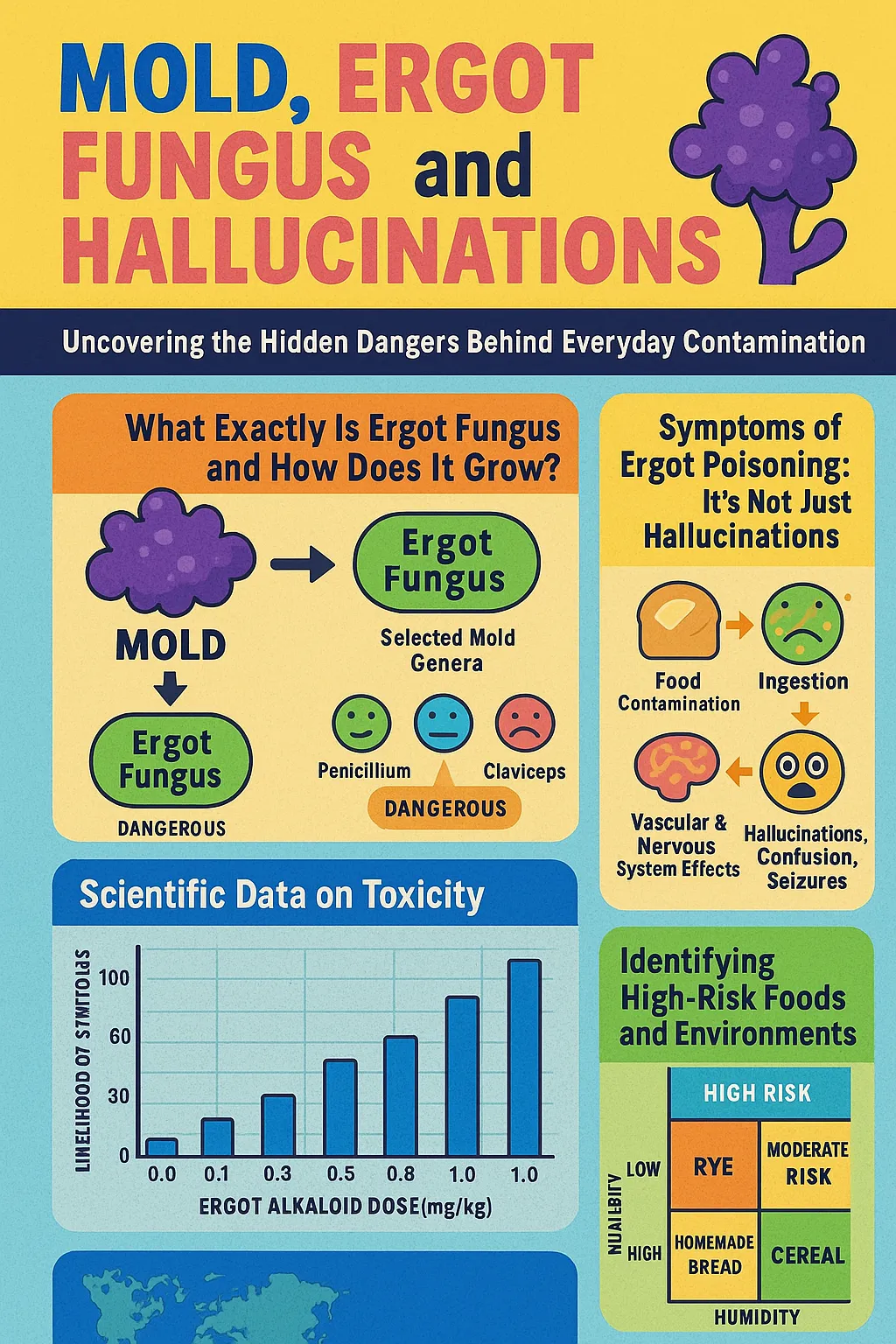
When we hear the word "mold," we often imagine something ugly and smelly growing in the corners of our kitchen. But not all molds are created equal—some, like Claviceps purpurea, are far more dangerous. This species infects grains, especially rye, and produces a group of highly toxic compounds called ergot alkaloids.
These toxins can grow on grains stored in humid conditions, especially during rainy seasons or in poorly ventilated pantries. Once ingested, they can enter the bloodstream and disrupt both vascular and nervous systems.
1.2. Ergot Poisoning Through History
Ergotism has appeared throughout human history in shocking and devastating ways. One of the most infamous events occurred in medieval France, where thousands died or went mad after eating bread made from contaminated rye. Known as "St. Anthony's Fire," the condition caused hallucinations, seizures, and gangrene.
Even today, ergot alkaloids are linked to powerful synthetic drugs like LSD, which was originally derived from ergot compounds.
2. The Health Risks of Ergot: Hallucinations and Beyond
2.1. Symptoms of Ergot Poisoning: It's Not Just Hallucinations
2.2. Scientific Data and University Research on Ergot's Toxicity
✅Chapter 2: The Health Risks of Ergot: Hallucinations and Beyond
2.1. Symptoms of Ergot Poisoning
Ergot poisoning doesn't just cause hallucinations. Its full range of symptoms affects multiple systems:
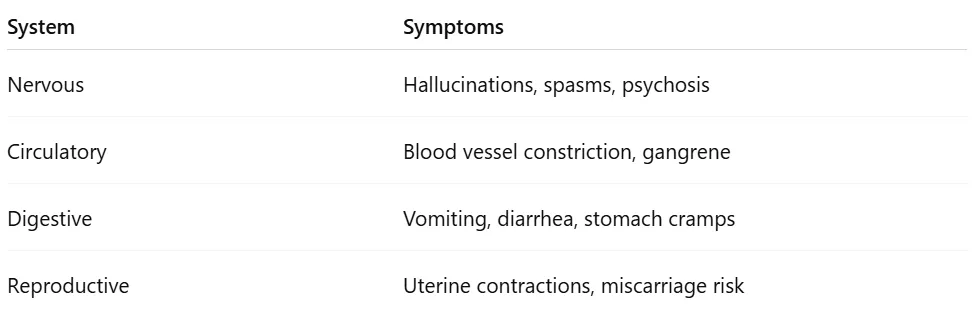
Even small doses can be dangerous, especially for vulnerable individuals such as pregnant women or the elderly.
2.2. Scientific Data on Toxicity
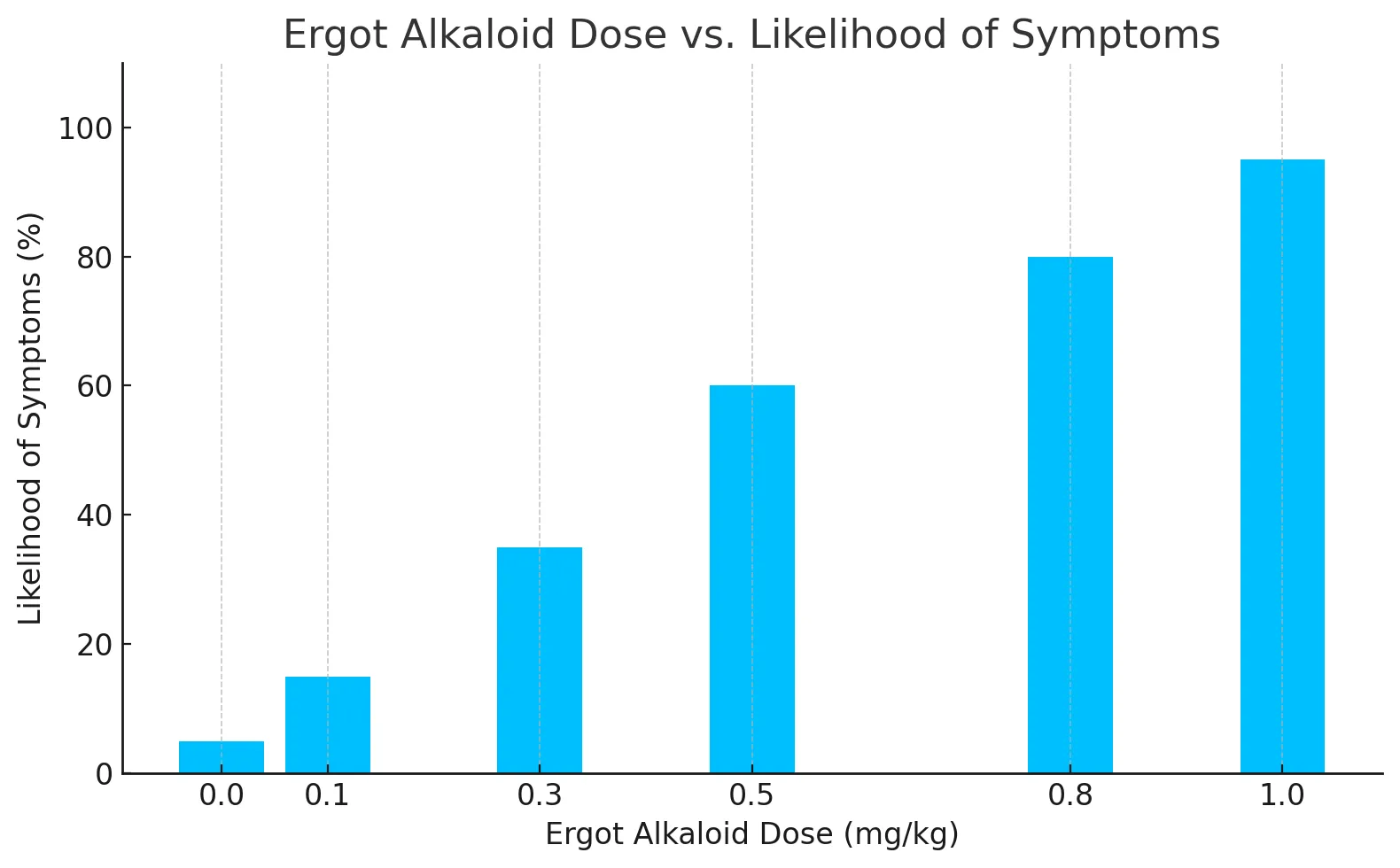
Research from universities like The University of Tokyo and Kyoto University has confirmed the toxic effects of ergot alkaloids. One important finding: 0.1 mg/kg can already trigger symptoms in 35% of people, with higher doses reaching up to 95% risk.
3. Protecting Yourself From Toxic Mold: Prevention in Daily Life
3.1. Identifying High-Risk Foods and Environments
3.2. Effective Prevention Measures at Home and in Facilities
✅Chapter 3: Protecting Yourself From Toxic Mold
3.1. Identifying High-Risk Foods and Environments
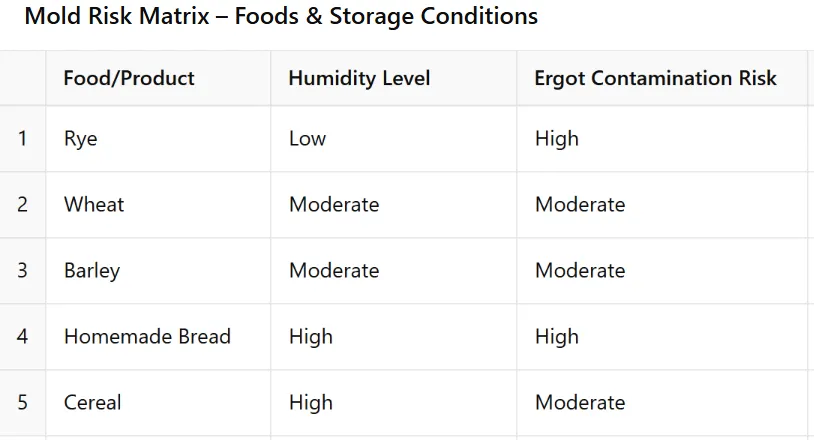
Foods like rye, wheat, and homemade bread stored in humid conditions are particularly at risk. Ergot can develop silently, even without visible mold.
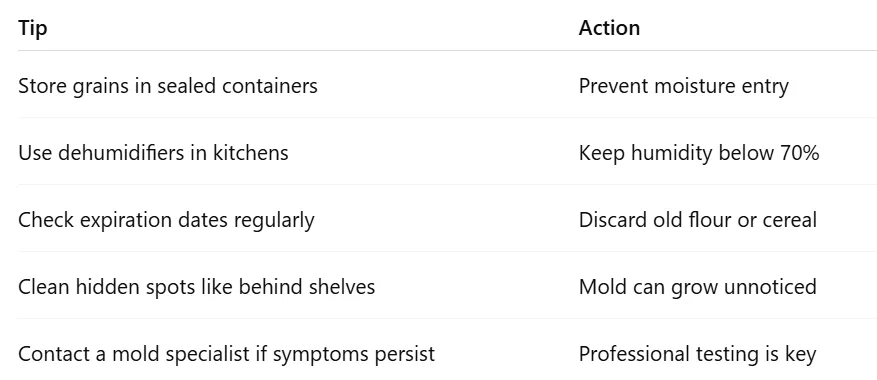
3.2. Prevention Measures You Can Take
🎯Conclusion
Mold is more than just a smelly nuisance. Some species, like ergot, pose serious risks to your brain and body. By understanding the science, history, and prevention methods, we can reduce our exposure and protect those around us—especially vulnerable groups like children, the elderly, and pregnant women.
----------------------------------------------------------------------
カビバスターズ沖縄
沖縄県国頭郡金武町伊芸1996-13
電話番号 : 080-3977-9591
----------------------------------------------------------------------